
Why the United States
The most valuable, and most demanding, consumer market in the world.
The United States combines large-scale consumer demand, deep capital markets, mature logistics, and a business environment built for scale. For international manufacturers it is also one of the hardest markets to enter well. The sections below outline why it is worth the effort, and where a local partner changes the odds.
Consumer market
A consumer market of unmatched scale.
With more than 330 million consumers and among the highest household spending in the world, the United States rewards manufacturers who can meet its expectations for quality, availability, and service. Demand is broad but not uniform: regional preferences, price sensitivity, and channel structures differ significantly across the country, which is why market and state selection matter as much as the product itself.
U.S. resident population, mid-2025
State markets, each with its own regulatory and commercial profile
Busiest U.S. container port at Savannah, by TEU volume
Running Georgia has ranked the #1 state for business
Sources: U.S. Census Bureau, Vintage 2025 population estimate; Georgia Ports Authority, FY2025 container volumes; Area Development magazine, 2025 Top States for Doing Business survey.
Business environment
A business environment built for growth.
Company formation is fast, contract law is predictable, and access to banking, insurance, and professional services is well established. For a foreign manufacturer the challenge is rarely whether the environment supports growth; it is navigating it correctly the first time, with the right entity, the right compliance posture, and the right local representation.
Infrastructure & logistics
Infrastructure that moves product at scale.
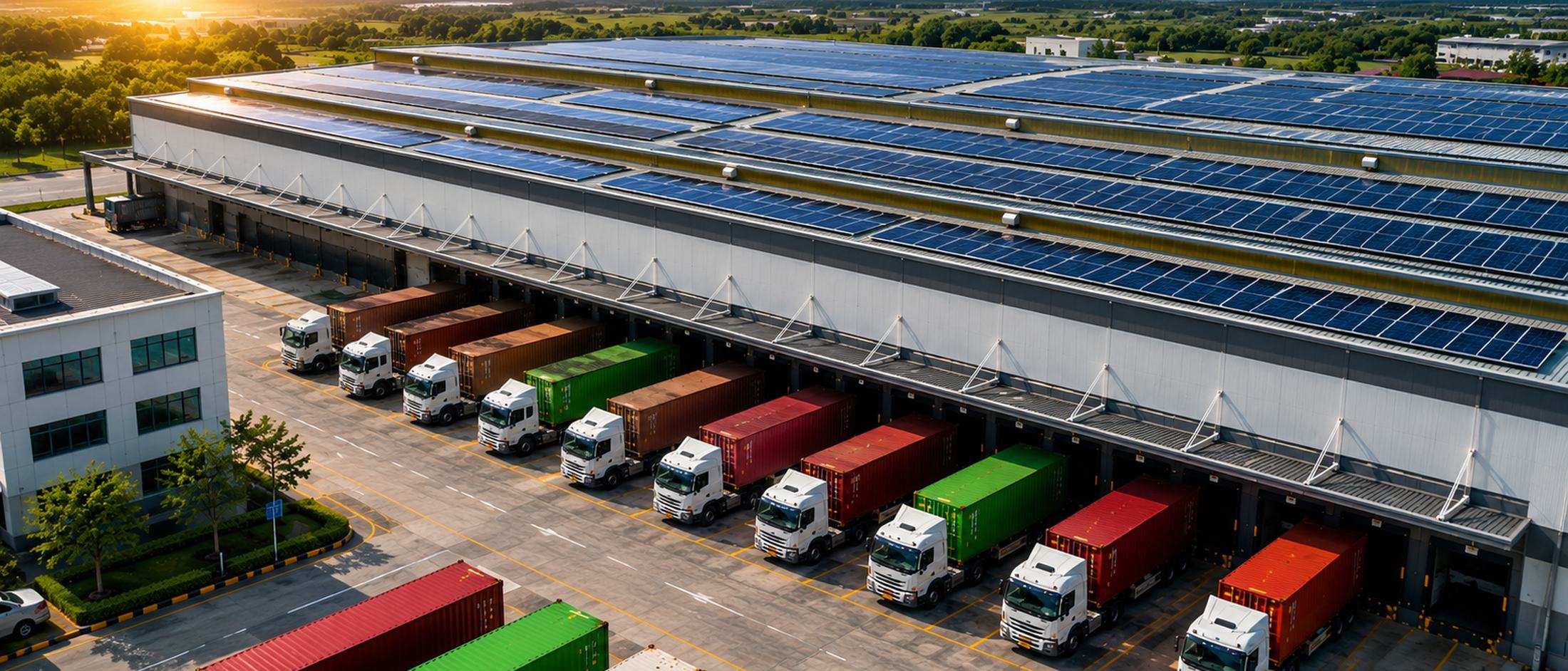
Ports, interstate highways, rail, and air freight connect production to customers across a continent-sized market. The U.S. logistics network is one of its greatest advantages, but using it well requires local warehouse positioning, realistic delivery expectations, and distribution planning that most first-time entrants underestimate.
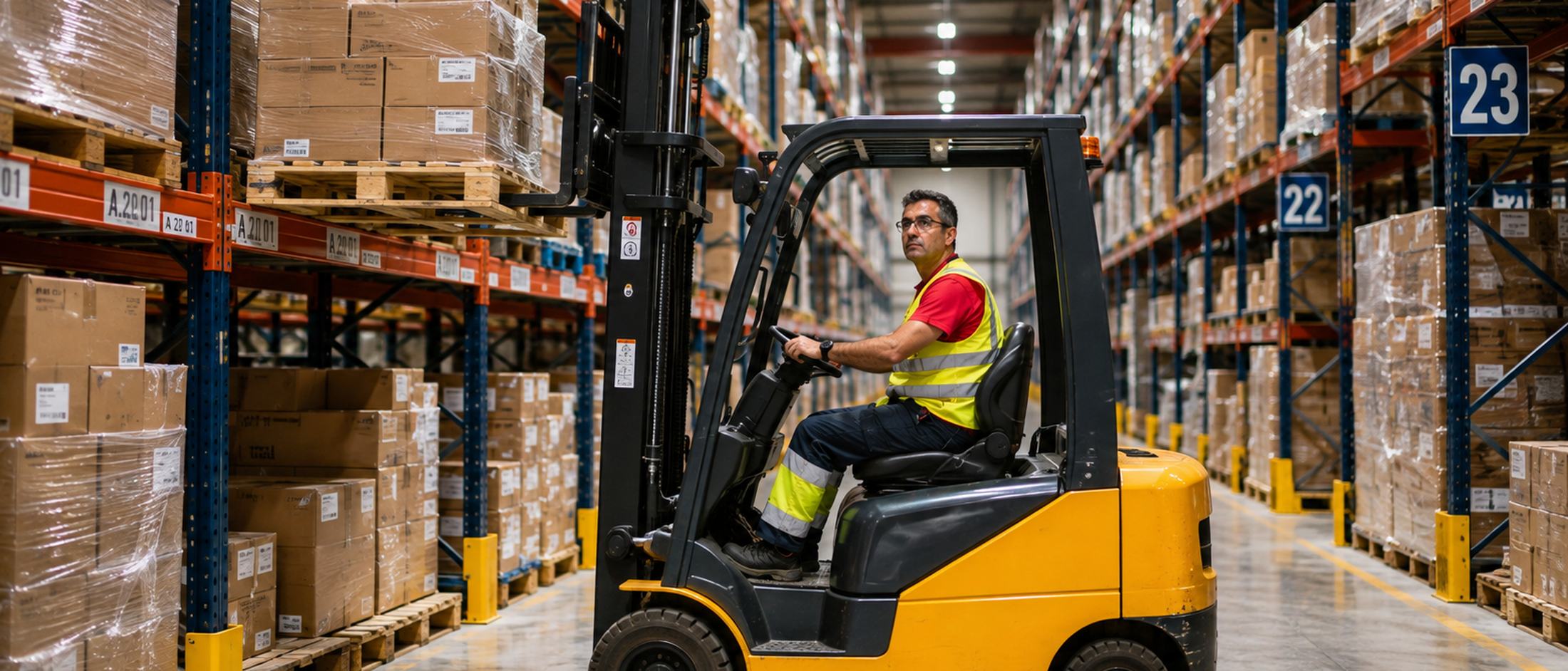
Inventory held close to demand shortens delivery times, improves customer confidence, and reduces dependence on a single importer or marketplace. The advantage is real, but so is the risk of over-committing to warehouse space and stock before demand is proven. Phased, evidence-led investment is how manufacturers capture the upside without the downside.
Manufacturing opportunity
Opportunities for manufacturers, not just importers.
The distinction matters. Importing clears a container; building a market presence means local inventory, dealer and distributor relationships, after-sales support, and a brand customers recognize. Manufacturers who build that presence capture margin and durability that occasional exporters never reach.
Distribution network
A distribution network you can build into.
Dealers, distributors, contractors, builders, and retailers form the channels through which products actually reach American customers. These relationships take time and local credibility to develop. Building them deliberately, rather than hoping a marketplace listing will substitute, is central to a durable U.S. operation.
Why a local partner
The opportunity is real. So is the difficulty.
Which market to enter first, and how, are questions to answer with evidence. That is what the Gateway Method is for.